The Art of Clay Oven Cooking: Why Tandoori Food Tastes Different
Why the Tandoor Is Still the Heart of Indian Cooking
Walk into any Indian restaurant that takes its food seriously, and you will find one thing in common: a clay oven. Not a stainless steel gas oven, not an electric convection model, but a traditional clay tandoor. There is a reason for that. The heat from a clay oven cooking surface is not the same as what you get from metal. Clay radiates infrared heat in a way that sears meat quickly while keeping the inside moist. That is the difference between a dry piece of chicken tikka and one that is tender, smoky, and full of flavour.
I have spent years watching chefs work the tandoor. The process looks simple enough. Skewers go in, skewers come out. But the timing, the temperature, the way the meat is marinated, and even the shape of the clay vessel itself all matter. The tandoor is a cylindrical pit, usually sunk into the ground or built into a counter. The walls are thick, fired clay that holds heat for hours. When you cook in that environment, you are not just applying heat. You are roasting, grilling, and baking all at once. That is the magic of clay oven cooking, and it is something no modern appliance has ever fully replicated.
How the Clay Oven Changes the Food
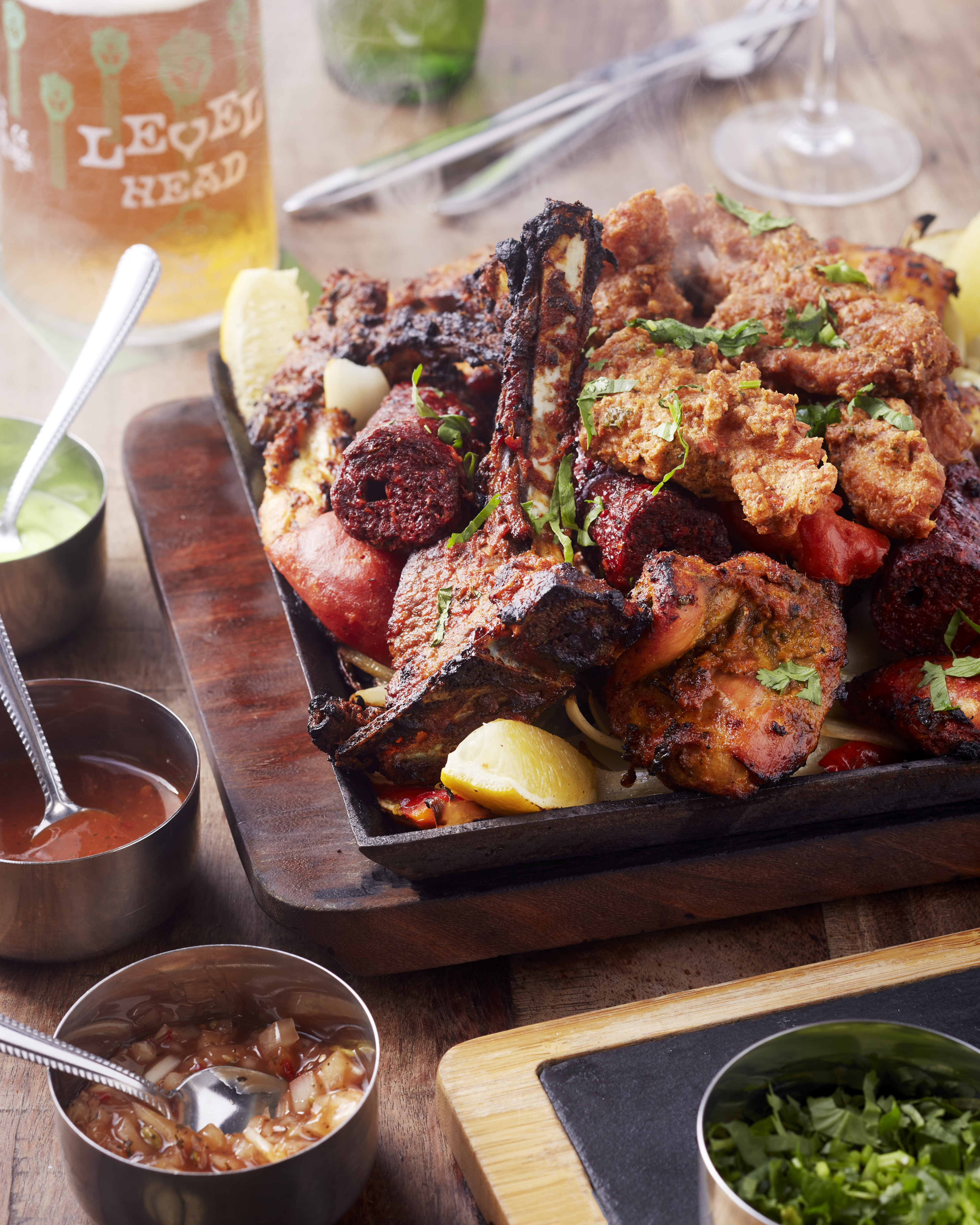
The first thing you notice with tandoori food is the colour. That deep red-orange hue on a chicken leg or a seekh kebab is not just from food colouring. It comes from the intense, dry heat of the clay oven reacting with the marinade. Yogurt, lemon juice, and spices caramelise on the surface, creating a crust that locks in moisture. Meanwhile, the radiant heat from the clay walls cooks the meat from all sides, not just from below. That even cooking is what gives tandoori meat its texture.
There is also the smoke factor. In a clay oven, charcoal or wood burns at the bottom. When fat drips onto the coals, it creates smoke that rises and coats the meat. That smoky flavour is subtle, not overpowering like a barbecue. It is a background note that makes the spices taste brighter. You cannot get that same effect in a standard oven. Even a smoker works differently because the airflow is not the same. A tandoor traps the smoke inside the clay chamber, so the food absorbs it slowly as it cooks.
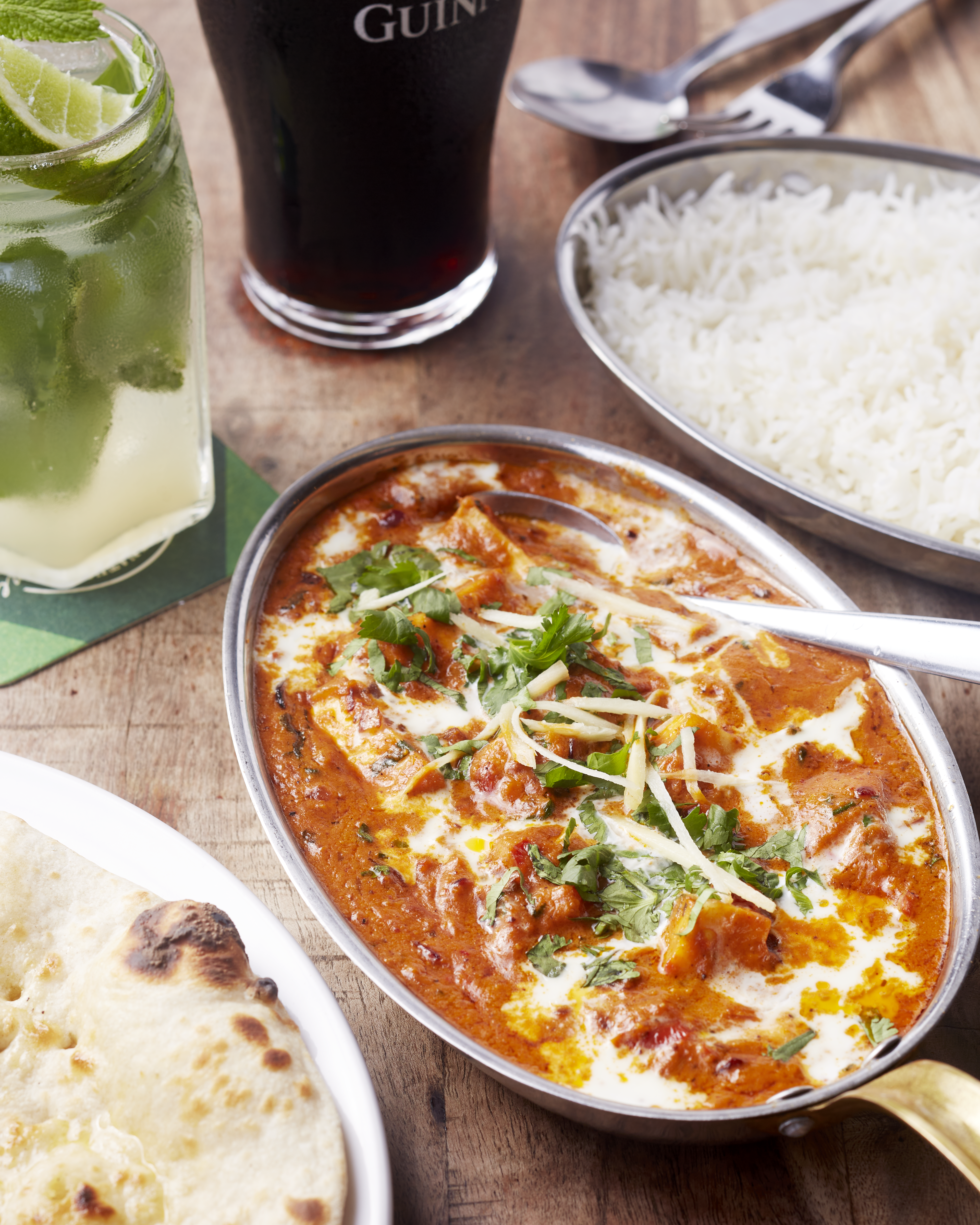
Bread is another story entirely. Naan, roti, and tandoori paratha are not baked on a flat surface. They are slapped against the hot inner wall of the tandoor. The dough sticks to the clay and bakes in seconds. The bottom gets charred and crispy while the top stays soft and pillowy. That contrast of textures is impossible to achieve on a griddle or in a standard oven. The clay wall is porous, so it wicks away moisture from the dough, giving the bread a lightness that is hard to describe until you have tasted it fresh out of the tandoor.
The Science Behind the Clay
Clay is not just a traditional material. It has real thermal properties that affect cooking. Clay heats up slowly but holds heat longer than metal. That means the temperature inside a tandoor stays stable even when you open the top to add or remove skewers. A metal oven would lose heat quickly, forcing the chef to compensate by turning up the heat, which often leads to uneven cooking. Clay also emits far-infrared radiation, which penetrates food more deeply than the near-infrared radiation from a metal surface. That deeper penetration means the inside of a piece of meat can cook at almost the same rate as the outside, reducing the risk of a burnt crust and a raw centre.
There is also the question of flavour. Clay is inert, so it does not react with acidic ingredients like lemon juice or vinegar. But it does absorb oils and fats over time. A well-seasoned tandoor that has been used for years develops a patina that actually contributes to the flavour of the food cooked in it. That is why some restaurants will tell you their tandoor has been in use for decades. The clay itself carries the memory of every meal cooked inside it.
Common Mistakes People Make at Home
I see a lot of home cooks try to replicate tandoori food in a regular oven or on a grill, and they often end up disappointed. The biggest mistake is not getting the temperature high enough. A tandoor runs at around 480, to 500, degrees Celsius, which is far hotter than any home oven. At that temperature, the Maillard reaction happens almost instantly, creating that crust in minutes. If you try to cook chicken tikka at 200 degrees Celsius, it will take so long that the meat dries out before the outside browns.
Another mistake is skipping the marinade. Yogurt-based marinades are not just for flavour. The lactic acid in yogurt tenderises the meat, while the sugars in the yogurt help with browning. If you skip the marinade or rush it, you lose both texture and colour. And do not use too much oil. In a tandoor, the meat cooks in its own fat. Adding extra oil just makes it greasy and prevents the crust from forming.
Finally, do not overcrowd the skewers. In a clay oven, air circulation matters. If the pieces of meat are touching each other, the heat cannot reach all the surfaces evenly. The result is patches of raw meat and patches of burnt meat. Leave space between each piece so the radiant heat can do its job.
What to Look for in a Restaurant
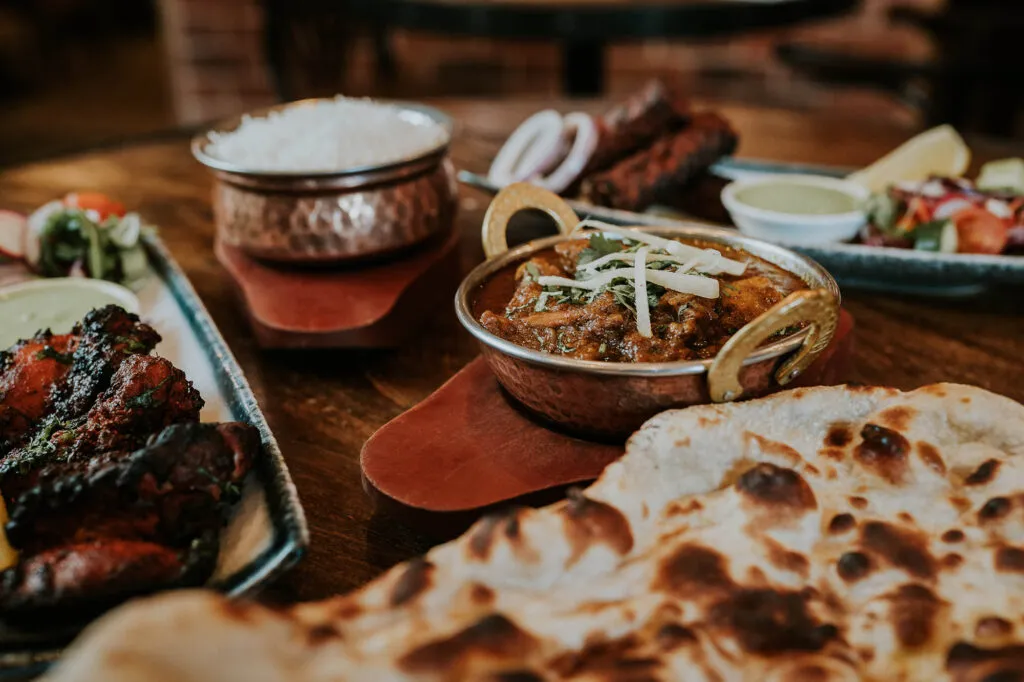
When you go to a restaurant that advertises tandoori cooking, there are a few things you can check to see if they are doing it right. First, ask if they use a real clay tandoor. Some places use gas-fired metal tandoors that look the same but cook differently. They work fine for some dishes, but the texture and flavour will not be the same. Second, look at the bread. A real tandoori naan will have dark spots on the bottom where it touched the clay. If the bread is perfectly uniform in colour, it was probably baked in a convection oven. Third, pay attention to the smoke. If the dining room smells faintly of charcoal and spices, that is a good sign. If you smell only oil and fryer grease, the tandoor is probably not the star of the kitchen.
There is also the question of consistency. A good tandoor chef knows that the temperature changes throughout a service. The first batch of breads might cook in 30 seconds, but after the tandoor has been open and closed for an hour, the walls cool down slightly. A skilled chef adjusts the cooking time by feel, not by a timer. That is the difference between food that is good and food that is memorable.
Beyond Meat and Bread
Most people associate the tandoor with chicken and naan, but clay oven cooking works for vegetables too. Paneer tikka, mushroom tikka, and even whole cauliflower can go into the tandoor. The high heat chars the outside while the inside stays moist. The same principle applies: dry heat, direct radiation, and a quick cook time. For vegetarians, the tandoor is just as useful as it is for meat lovers.
Fish is another excellent candidate. Masala fish, marinated in a paste of ginger, garlic, chilli, and turmeric, cooks in minutes in a clay oven. The skin crisps up, and the flesh stays flaky. It is a dish that is easy to ruin in a pan but nearly foolproof in a tandoor, as long as the temperature is right.
One Final Thought on the Method
Clay oven cooking is one of the oldest cooking methods still in widespread use, and that longevity is not an accident. It works because the materials and the technique are perfectly matched to the food. You do not need expensive equipment or complicated recipes. You need good heat, good clay, and a willingness to let the fire do the work. The results speak for themselves.
If you want to experience this style of cooking done well, Smokey Barrels, located at 1741 Coventry Rd, Birmingham B26 1DS, UK, +44 121 764 5519, is an Indian restaurant and sports bar on Coventry Road, Birmingham, around ten minutes from Birmingham Airport and the NEC. The kitchen is built around the clay tandoor, serving mixed grills, chicken tikka, seekh kebabs, lamb chops and masala fish, alongside curries, vegetarian dishes, pub classics and a children’s menu. The spice menu is halal. The bar pours nine beers on tap, cocktails and pitchers, with Premier League football, boxing, F1, cricket and rugby shown live on big HD screens. There’s free on-site parking, a beer garden, and private hire for 70 to 150 guests.
Connect with us on Pinterest.